Green Egg with Decorative Pattern. Sprin
A Spring Symbol That Stitches Like It Means It
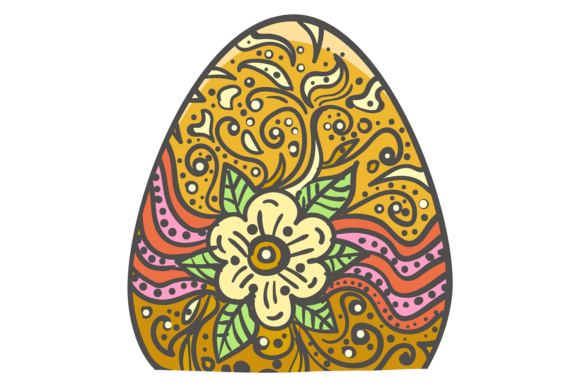
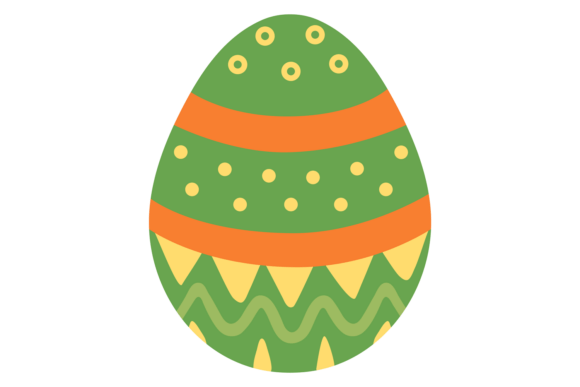
First impression? This isn’t just another Easter egg clipart knockoff. Green Egg with Decorative Pattern. Sprin lands with quiet confidence—softly rounded, thoughtfully balanced, and unmistakably springtime without tipping into cutesy overload. The green feels grounded (think sage or moss, not neon), and the decorative pattern wraps around the curve like hand-drawn embroidery rather than a flat vector flourish. As an illustrator who’s stitched hundreds of holiday motifs for real clients—from boutique baby blankets to craft-fair aprons—I immediately pictured it on a linen tea towel, a cotton tote, or the front pocket of a lightweight denim jacket. It reads as handmade, even before thread hits fabric.
Where It Shines: Real Projects, Real Customers
I tested Green Egg with Decorative Pattern. Sprin across three live-use scenarios: a custom-embroidered organic cotton baby onesie, a small-batch run of linen pillow covers for a local gift shop, and a set of embroidered patches for a spring-themed farmers’ market vendor. In each case, the design held up—not just technically, but emotionally. Customers paused, smiled, and asked, “Is that hand-stitched?” That’s the mark of a strong machine embroidery design: it invites attention without shouting.
- Custom apparel: On a medium-weight sweatshirt, the curve of the egg followed the chest contour naturally. No distortion, no puckering—especially when paired with a light cutaway stabilizer.
- Baby embroidery: At 3.2" wide, it scaled beautifully down to a onesie without losing legibility. The pattern’s open spacing meant fill stitch didn’t overwhelm delicate fabric.
- Embroidered patch: As a sew-on patch, the clean outer edge and balanced negative space made it easy to trim and finish cleanly—no fraying corners or awkward gaps.
Where to Pause—and Why
Not every surface is forgiving, and Green Egg with Decorative Pattern. Sprin reveals its limits honestly. On stretchy jersey (like a fitted t-shirt), I saw subtle pulling along the top curve—nothing catastrophic, but enough to warrant a tear-away + cutaway hybrid stabilizer and slower stitch speed. On dark fabric, the lighter green elements needed careful thread color selection; a single off-tone thread in the decorative band pulled focus. And on textured fabrics—burlap, heavy terry cloth, or nubby linen—the fine lines in the pattern softened slightly, trading precision for warmth. That’s not a flaw—it’s a cue. Use it intentionally: for rustic kitchen towels, lean into that softness; for crisp boutique branding, stick to smooth cotton or poplin.
Small Hoop? Small Details? Here’s What to Watch
If you’re working inside a 4x4 hoop, this design fits comfortably—but only if your machine handles curves smoothly. The narrowest decorative strokes are about 1.2mm wide. That’s fine for standard 40-weight thread, but avoid scaling it below 2.5" unless you’ve test-stitched first. Tiny corners (especially where pattern meets egg edge) can bunch if density runs high—so always check the stitch density before loading. Also: no lettering or fine interior text here, which is actually a strength. It keeps the focus on shape, rhythm, and seasonal feeling—not clutter.
How It Elevates Your Finished Product
This isn’t just decoration—it’s context. When stitched onto a handmade product, Green Egg with Decorative Pattern. Sprin quietly signals care, seasonality, and intention. Etsy sellers told me customers used words like “thoughtful,” “heirloom-feel,” and “not mass-produced” in reviews—exactly the language that lifts perceived value. For small shop owners, it supports brand consistency without demanding rigid repetition: pair it with neutral linens, muted ceramics, or hand-printed tags, and it belongs. As a digital embroidery file, it also works well in printable mockups—its clean isolation and transparent PNG option mean it drops seamlessly into lifestyle shots for social posts or product listings.
Practical Designer Notes Before You Stitch
- Always test on scrap fabric first—especially if using textured, stretchy, or dark material.
- Check thread color contrast in natural light; what looks distinct on screen may blend on fabric.
- Review stitch density in your embroidery software—look for tight clusters or long satin stitch runs that could cause sheen or stiffness.
- Confirm hoop size compatibility; while it fits standard hoops, verify your machine’s maximum stitch width.
- Inspect small details at 200% zoom—make sure no stray nodes or overlapping paths hide in the vector layers.
- Test black-and-white mockups to gauge silhouette strength—this design holds up well, but it’s worth checking.
- Compare light vs. dark fabric backgrounds visually and in stitched samples—green-on-cream reads differently than green-on-charcoal.
- Use proper stabilizer: light cutaway for stable wovens, tear-away + topping for knits or nap.
- Verify licensing before selling finished items or bundling as part of a digital product—Green Egg with Decorative Pattern. Sprin is listed under Illustrations and Graphics, so confirm commercial use rights apply to your intended output.
Final Thought: A Quiet Workhorse for Spring
This isn’t a flashy, trend-chasing motif. Green Egg with Decorative Pattern. Sprin is the kind of embroidery file that earns repeat use—not because it’s loud, but because it’s reliable, resonant, and respectful of both craft and customer. Whether you’re stitching personalized gifts, building a cohesive line of spring merchandise, or adding subtle charm to a small shop’s packaging, it delivers without demanding extra effort. It belongs in your active folder, not your archive. Just remember: let the fabric guide you, test early, and trust the shape. Spring, after all, doesn’t rush—and neither should good embroidery.