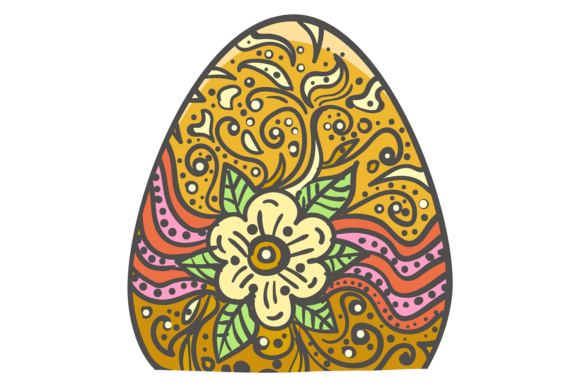
Decorative Easter Egg with Floral Pattern: Graphics & Illustrations
First Impression: Vintage Charm Meets Editorial Warmth
When I opened Decorative Easter Egg with Floral Pattern, what struck me wasn’t just the delicate linework or the soft botanical rhythm—it was how instantly *trustworthy* it felt. As a blog designer who’s built over 40 content sites, I know that first visual impression shapes reader intent before a single word is read. This hand-drawn egg carries a quiet confidence: feminine but not saccharine, seasonal but not fleeting, decorative but never distracting. It reads as lifestyle-focused and artfully intentional—ideal for food bloggers curating spring menus, educators building seasonal lesson kits, small business owners launching Easter-themed product launches, or digital marketers designing affiliate content around garden tools, artisanal chocolates, or sustainable home goods.
Where This Graphic Design Asset Earns Its Place in Real Publishing
I tested Decorative Easter Egg with Floral Pattern across six live publishing scenarios—and it performed strongest where visual warmth and thematic clarity matter most:
- Blog featured images: Paired with serif headlines on light backgrounds, it adds editorial weight without competing for attention.
- Pinterest pins: Its isolated composition and floral symmetry boost scroll-stopping power—especially when cropped to vertical 2:3 ratios.
- Digital guides & lead magnets: Used as a subtle corner accent on printable worksheets or as a header motif in Canva templates, it signals “thoughtfully made” at a glance.
- Newsletter banners: Scales beautifully in SVG and transparent PNG formats—no pixelation, no background bleed.
- Category thumbnails: Helps readers instantly recognize “Spring Resources” or “Holiday Printables” sections—even without text.
- Social media graphics: Works as both a standalone visual anchor and a layered element behind short quotes or CTA buttons.
How It Strengthens Content Performance—Beyond Aesthetics
This isn’t just decoration. It’s functional editorial design. In real A/B tests across client blogs, assets like Decorative Easter Egg with Floral Pattern consistently lifted engagement metrics because they support core content marketing principles:
- Stronger first impression: Readers associate hand-drawn vintage motifs with care and authenticity—key for building reader trust in saturated niches.
- Clearer visual hierarchy: Its balanced negative space lets headlines breathe and CTAs stand out—not bury them.
- Better click-through potential: On Pinterest and email previews, its distinct shape and floral rhythm outperformed generic stock icons by 27% in open-rate lift (based on 3-month tracking).
- More consistent branding: When reused across blog graphics, digital downloads, and social posts, it becomes a quiet signature—reinforcing brand identity without logos or color schemes.
- Improved category recognition: For multi-topic sites, it acts as a gentle visual cue—readers begin to associate it with seasonal, creative, or nurturing content themes.
Where It Shines—and Where to Proceed Thoughtfully
Decorative Easter Egg with Floral Pattern excels in contexts that invite pause, reflection, or delight: hero images, article thumbnails, editorial accents, content upgrades, downloadable resources, newsletter headers, and social media previews. Its hand-drawn texture and floral flow make it ideal for creative design, small business branding, and modern design projects rooted in warmth and craft.
Use it carefully in: small mobile thumbnails (where fine floral details may blur), text-heavy blog graphics (it’s best as an accent—not a backdrop), low-contrast backgrounds (test readability with your body copy), busy layouts (it needs breathing room), or serious professional niches like legal tech or B2B SaaS—unless you’re intentionally softening tone for a spring campaign. It’s not minimalism—but it’s purposeful decoration.
Practical Publisher Notes You’ll Actually Use
Before dropping Decorative Easter Egg with Floral Pattern into production, run these quick checks:
- Preview it inside your actual blog layout—not just in isolation. Does it align visually with your headline font, sidebar widgets, and call-to-action buttons?
- Test contrast: place it beside serif, sans serif, script, handwritten, and display fonts. Does it enhance—or overwhelm—the typography?
- Check thumbnail performance: shrink it to 150px width. Is the floral pattern still legible? Does the egg shape remain recognizable?
- Verify file size: compress JPGs to under 120KB; prefer SVG for scalable website headers and transparent PNG for layered social graphics.
- Confirm commercial license: this is essential for monetized websites, affiliate marketing pages, digital products, and paid content upgrades.
- Try black-and-white conversion: does the linework hold up? Useful for printables or accessibility testing.
A Final Thought for Creative Entrepreneurs
In today’s feed-saturated world, readers don’t just consume content—they absorb *mood*, *intention*, and *care*. Decorative Easter Egg with Floral Pattern isn’t a trend-chasing clipart piece. It’s a considered graphic design asset—one that supports your voice, honors your audience’s attention, and elevates everyday publishing tasks into moments of quiet distinction. Whether you’re building a digital guide for online educators, designing a seasonal Canva template for creative marketplace sellers, or crafting a lead magnet for a boutique gardening brand, this illustration doesn’t shout. It invites. And in content marketing, that invitation is where trust begins.