Decorative Plants for the Inside House
A First Look at the Design
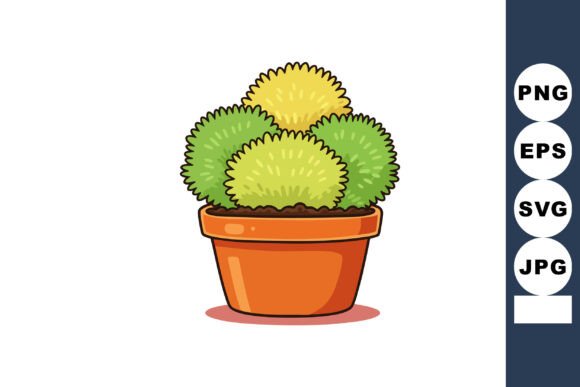
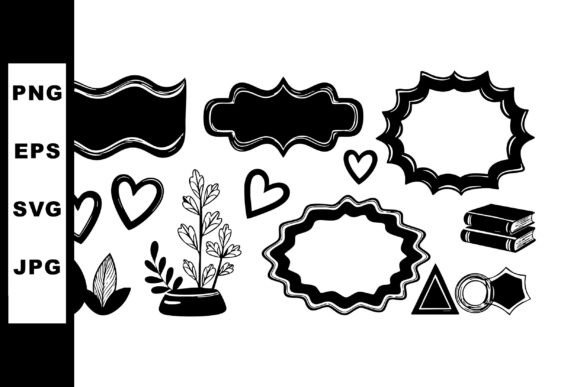
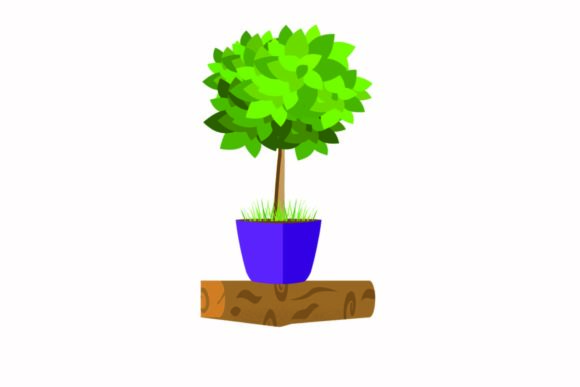
The moment I opened the file for Decorative Plants for the Inside House, I was struck by its clean, modern aesthetic. The design feels fresh and inviting, with a subtle botanical charm that suggests it’s meant for both home decor and personal use. The layout is balanced, with a focus on the plant shapes that are stylized yet recognizable. There’s a softness to the lines and a gentle curvature that makes the design feel organic rather than rigid.
As an embroidery designer, I immediately thought about how this design might translate onto fabric. The illustrations are well-structured, with clear outlines and defined areas for fill stitches. The SVG and DXF files look crisp and scalable, which is a big plus for those who need flexibility in their projects. The JPG and PNG previews give a good sense of the final appearance, though they lack the detail needed for precise stitching decisions.
Real-Life Use Case: Custom Embroidered Tote Bag
I imagined using Decorative Plants for the Inside House on a custom embroidered tote bag. It would be perfect for a nature-themed boutique or a handmade shop looking to offer unique, personalized gifts. The design has enough detail to stand out without being overwhelming, making it ideal for a medium-sized hoop. However, I noticed that some of the smaller elements—like the leaves and stems—might become less visible on darker fabrics or when stitched at lower stitch densities.
For a custom apparel project like a sweatshirt or t-shirt, the design would work well as a secondary motif. It could be paired with simpler graphics or text to create a cohesive look. But if used as the main design, it might require careful placement to ensure it doesn’t get lost on a busy garment. Testing on a scrap piece of fabric is always a good idea before committing to a larger project.
Stitching Clarity and Fabric Compatibility
The stitch density appears consistent across all formats, which is reassuring. However, there are a few areas where the design becomes more intricate, especially around the edges of the plants. These dense stitch sections may require additional stabilizer to prevent puckering or distortion, especially on textured fabrics or stretchy materials. For dark fabric, the contrast between the thread colors and the background might be less effective, so testing with different thread colors is recommended.
On thin or delicate fabrics, the design might not hold up as well due to the amount of detail. A hoop size of at least 5x7 inches would be ideal to accommodate the full canvas size of 1920x1280 pixels. If working with a small hoop, consider scaling down the design or selecting a portion that maintains visual impact without sacrificing clarity.
Design Value and Brand Consistency
Decorative Plants for the Inside House has the potential to elevate a brand’s image, especially for craft businesses or Etsy sellers looking to offer premium design assets. Its clean lines and natural theme make it versatile for a range of products—from embroidered patches to holiday gifts—and can be easily adapted for printable mockups or digital product previews.
However, the design’s simplicity also means it may not be as unique as some other options in the market. To stand out, it would need to be paired with complementary elements or used in a way that highlights its strengths. For example, combining it with a running stitch border or a satin stitch accent could add depth and interest.
Practical Designer Notes
- Test on Scrap Fabric: Always test a design on a small piece of fabric before using it on a finished product. This helps identify any issues with stitch density, color contrast, or fabric compatibility.
- Check Thread Color Contrast: Ensure that the thread colors you choose provide enough contrast against the fabric. Darker threads on light fabric or vice versa can reduce the design’s visibility.
- Use Proper Stabilizer: Especially for textured fabrics or stretchy materials, using the right type of stabilizer can make a significant difference in the final result.
- Confirm Licensing Terms: Before selling finished items or digital products, make sure you have the proper licensing rights. Some designs may not be suitable for commercial use unless explicitly stated.
- Inspect Small Details: Pay close attention to tiny elements like leaf tips or stem details. These can be tricky to stitch accurately and may require adjustments in the design file.
- Test in Black and White: Viewing the design in black and white can help identify any potential issues with contrast or clarity.
- Compare Light and Dark Fabrics: The same design may look very different depending on the background fabric. Always test it on both types to ensure consistency.
- Consider Product Use: Think about the intended use of the design. Will it be used on a personalized gift, a commercial embroidery project, or a handmade product? Adjust your approach accordingly.
Final Thoughts
Decorative Plants for the Inside House is a solid choice for designers looking for a versatile, easy-to-use machine embroidery design. It offers a balance of detail and simplicity, making it suitable for a wide range of applications. While it may not be the most complex design available, its clean aesthetic and adaptability make it a great option for small shop products, personalized gifts, and branding assets.
With the right preparation and attention to detail, this design can be a valuable addition to any craft business or digital product seller's toolkit. Just remember to always test, adjust, and consider the end use before finalizing your project.