Mandala Flower Decorative
A Thoughtful Design for Handmade and Commercial Use
As a designer who frequently works with embroidery files, I approach each new design with the intention of evaluating its practicality for real-world use. The Mandala Flower Decorative is one such file that caught my eye—not just for its aesthetic appeal, but for its potential in a variety of projects. Before diving into how it might look on fabric, I considered the context in which it would be used: custom apparel, handmade gifts, boutique branding, and digital product sales.
The First Impression
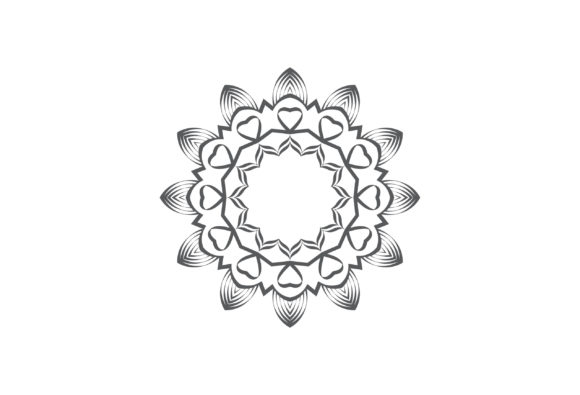
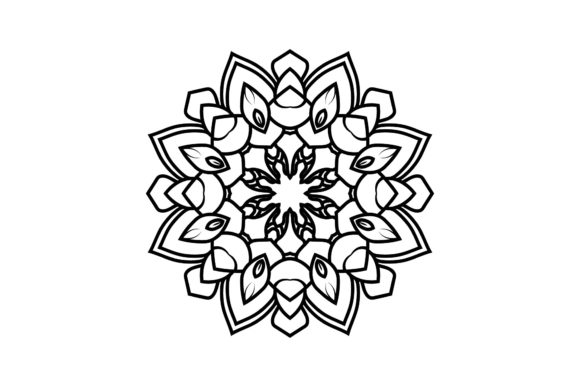
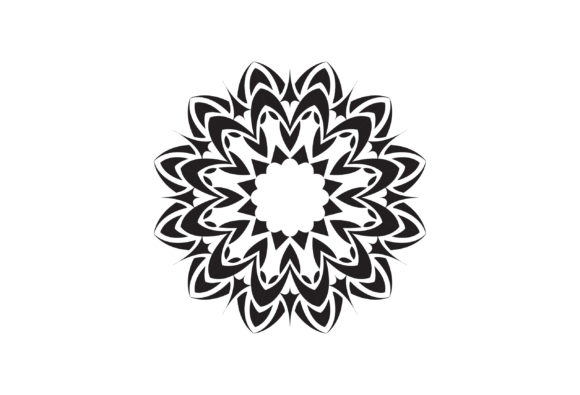
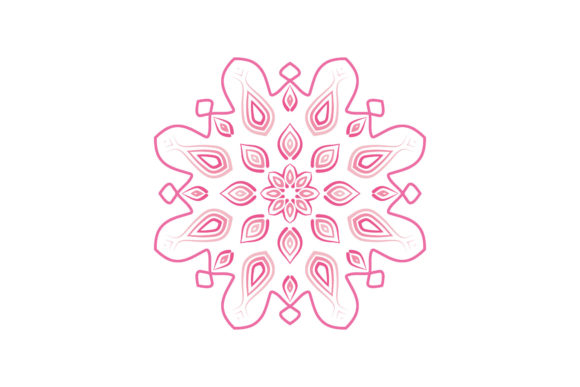
The Mandala Flower Decorative immediately evokes a sense of calm and balance. Its intricate floral patterns are arranged in a circular motif, reminiscent of traditional mandalas. The layout is symmetrical, which gives it a strong visual anchor. The level of detail is impressive, with delicate petals and subtle shading that suggest a handcrafted feel. This makes it a versatile design—suitable for both minimalist and ornate applications.
Visually, the design has a soft, ethereal quality that could easily translate to a wide range of products. It feels like something you'd see on a boutique wall or as part of a personalized gift. However, its complexity also means that it’s not for every project. It demands attention to detail and careful execution.
Real-Life Embroidery Applications
When thinking about how this design might perform in real-life embroidery scenarios, I considered several common use cases. For instance, if I were preparing a custom embroidered tote bag for a client, the Mandala Flower Decorative would work well as a central motif. Its size and complexity would allow it to stand out without overwhelming the overall design of the bag.
Similarly, it could serve as a decorative element on a baby blanket or a holiday gift. The floral pattern adds a touch of elegance and warmth, making it ideal for items that require a gentle, nature-inspired aesthetic. On a sweatshirt or t-shirt, it could be scaled down to fit the front panel, creating a subtle yet meaningful personalization.
For commercial embroidery, the Mandala Flower Decorative offers versatility. It could be used as an applique design on patches, aprons, or even caps. However, its intricate details mean that it may not be suitable for small hoop sizes or textured fabrics. Testing the design on scrap fabric before committing to a larger project is always a good idea.
Where to Use Carefully
While the Mandala Flower Decorative is visually appealing, there are certain situations where it should be approached with caution. For example, on dark or textured fabrics, the design may lose some of its vibrancy. This could affect the overall visual impact, especially when the finished product is intended for sale or display.
Additionally, the design’s detailed corners and dense stitch areas require careful handling. If used on stretchy or thin fabrics, it may not hold up well over time, particularly after multiple washes. This makes it less ideal for products that will be used frequently or exposed to harsh conditions.
Curved surfaces like caps or hats also pose challenges. The design’s intricate layout may not translate well to these shapes, potentially leading to distortion or uneven stitching. In such cases, it’s important to test the design in a mockup or on a sample before proceeding with a full project.
Visual Appeal and Product Value
The Mandala Flower Decorative has the potential to elevate the visual appeal of any project it's applied to. Its intricate patterns and balanced composition make it a strong choice for handmade products that aim to stand out in a competitive market. However, the key to maximizing its value lies in understanding how it interacts with different materials and environments.
From a customer perspective, the design’s uniqueness can enhance the perceived value of a product. A well-executed embroidered piece featuring the Mandala Flower Decorative can feel more personal and meaningful, especially for gifts or bespoke items. This aligns well with the expectations of Etsy sellers and small shop owners who rely on emotional connection to drive sales.
Practical Designer Notes
Before using the Mandala Flower Decorative in a real project, I recommend testing it on scrap fabric first. This allows you to assess how the design performs under actual stitching conditions. Checking thread color contrast is also crucial—especially when working with dark fabrics. A high-contrast thread can significantly improve visibility and clarity.
Reviewing stitch density is another important step. Dense stitch areas can increase the risk of puckering or tension issues, so it’s worth ensuring that the design is compatible with your machine and stabilizer setup. Confirming the correct hoop size is equally important, as improper sizing can lead to distortion or incomplete stitching.
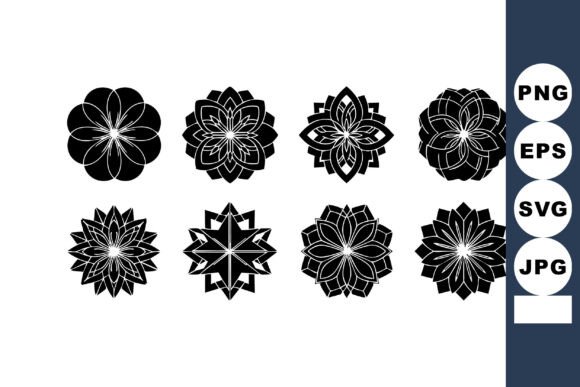
If you plan to sell finished products or digital assets, be sure to check licensing terms. The Mandala Flower Decorative is available in various formats, including AI, EPS, SVG, JPG, PNG, and DXF. These files provide flexibility for different uses, but it’s essential to understand the restrictions associated with commercial use.
Conclusion
The Mandala Flower Decorative is a thoughtful, intricate design that offers a wide range of possibilities for embroidery projects. Whether you're creating custom apparel, handmade gifts, or digital assets, its visual appeal and versatility make it a valuable addition to your creative toolkit. With careful planning and attention to detail, it can become a standout feature in your finished products.