Decorative Plant Vector Illustrations
A Designer’s First Impression
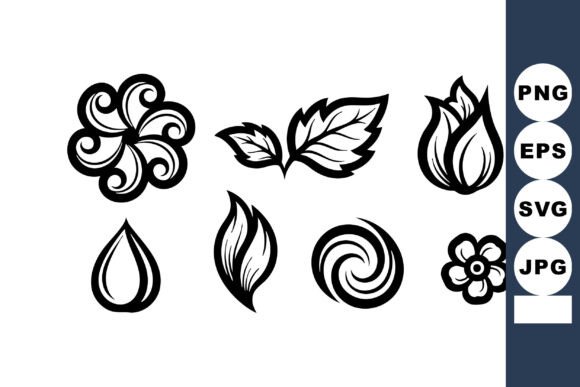
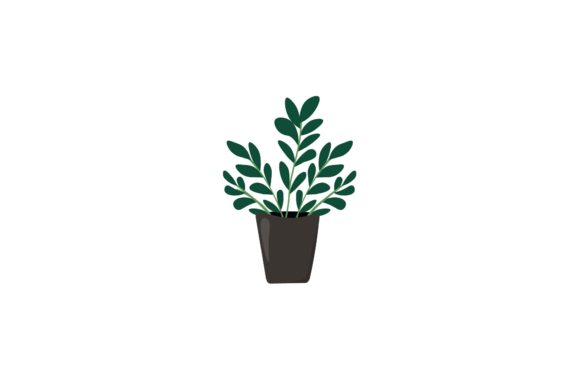
The moment I opened the file for Decorative Plant Vector Illustrations, I was struck by its clean, organic feel. The design exudes a sense of calm and natural beauty, which immediately made me think of applications in handmade products and custom embroidery. The plant shapes are stylized yet detailed enough to add visual interest without overwhelming the fabric. The layout is balanced, with a subtle emphasis on texture and form that suggests it could work well in both small and large-scale projects.
What Works Well for Real Projects
Decorative Plant Vector Illustrations has a strong presence when applied to items like tote bags, sweatshirts, and embroidered patches. Its simple yet elegant structure makes it ideal for use on a variety of surfaces. For instance, using it on a custom embroidered tote bag would allow the design to stand out while maintaining a cohesive aesthetic. The illustration’s versatility also shines through when considering holiday or seasonal embroidery—like a festive apron or a baby item—where a touch of nature can bring warmth and charm.
One of the standout features of this design is its ability to maintain clarity during the stitching process. The vector format ensures that the lines remain sharp and precise, even when scaled down for smaller hoop sizes. This makes it particularly useful for designers who need to create intricate details without sacrificing stitch quality. The overall composition is well-suited for both satin stitch and fill stitch techniques, allowing for a range of creative interpretations depending on the desired outcome.
Considerations for Real-World Use
While Decorative Plant Vector Illustrations is versatile, there are certain scenarios where it may require more careful consideration. For example, when working with textured fabrics or dark-colored materials, the design’s contrast might be less pronounced. In such cases, testing the design on scrap fabric before applying it to the final product is essential. Similarly, if the project involves curved surfaces like caps or hats, the illustration’s placement needs to be adjusted to ensure it looks balanced and not distorted.
Another important factor is the stitch density. While the design appears clean at first glance, it’s crucial to review the file for any areas that might become too dense or too sparse. This is especially relevant for items that will undergo frequent washing, such as kitchen towels or baby clothes. A well-balanced stitch count helps preserve the design’s integrity over time and prevents issues like thread breakage or uneven coverage.
Practical Design Notes for Embroidery Professionals
If you’re an Etsy seller or running a craft business, Decorative Plant Vector Illustrations offers great potential for creating personalized gifts and custom apparel. However, it’s always wise to test the design on a mockup or sample fabric before committing to a full production run. Checking thread color contrast is another key step—ensuring that the chosen colors provide sufficient visibility against the background fabric.
Additionally, confirming the licensing terms is crucial if you plan to sell finished products or digital files. Always make sure you have the right to use the design for commercial purposes. Using the proper stabilizer is also recommended, especially when working with delicate or stretchy fabrics. This helps maintain the design’s shape and prevents puckering or distortion during the embroidery process.
Where This Design Fits Best
Decorative Plant Vector Illustrations is best suited for projects that benefit from a natural, calming aesthetic. It works particularly well on items like tea towels, pillow covers, and holiday gifts. Its simplicity allows it to blend seamlessly into both modern and rustic designs, making it a versatile choice for a wide range of handmade products.
For those looking to expand their craft business, this design can serve as a valuable asset in creating printable mockups and digital design assets. It’s also an excellent option for boutique branding or small shop merchandise, offering a fresh and approachable look that appeals to a broad audience.
Final Thoughts on Practical Use
As an experienced designer, I find Decorative Plant Vector Illustrations to be a reliable and adaptable resource for various embroidery projects. Its clean lines and thoughtful layout make it easy to integrate into both personal and commercial work. Whether you're crafting a custom embroidered patch or designing a holiday gift, this illustration provides a solid foundation for creating visually appealing and professionally executed products.
Remember, the key to success lies in testing, preparation, and attention to detail. By following these practical steps, you’ll be able to maximize the potential of Decorative Plant Vector Illustrations and deliver high-quality, customer-approved results.