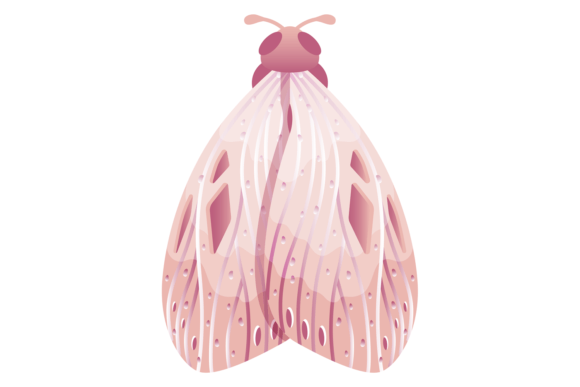
Decorative Moth Graphics for Modern Branding
Aesthetic First Impression
The Decorative Moth graphic immediately captures attention with its natural texture and intricate wing patterns. The isolated white background gives it a clean, modern feel that’s easy to integrate into various design projects. This illustration exudes a sense of elegance and organic beauty, making it ideal for brands that value craftsmanship and nature-inspired aesthetics.
Fitting the Right Project
This graphic is especially well-suited for small businesses in the handmade or artisanal space. Imagine using it as part of a seasonal campaign for a boutique or an Etsy shop focused on nature-themed products. It can also work beautifully in branding for eco-friendly or organic product lines, adding a touch of sophistication without overwhelming the design.
Design Applications
The Decorative Moth graphic performs exceptionally well in multiple design contexts. For logo design, it can serve as a subtle accent or central element, especially for brands that want to incorporate a natural motif. In packaging design, it adds visual interest to labels and boxes, enhancing the overall aesthetic appeal. On social media, it can be used as a hero graphic or decorative element in Canva templates, Pinterest pins, or Instagram posts.
It’s also a great choice for t-shirt design, mugs, and tote bags—particularly for crafters and Cricut users looking for creative printable designs. When used in editorial design, such as blog visuals or website graphics, it helps create a cohesive and engaging visual hierarchy. Its versatility makes it a valuable addition to any designer's toolkit.
Where It Works Best
The Decorative Moth graphic shines in large layout areas, such as hero sections on websites or posters. It also works well in product mockups, where it can be placed on items like notebooks, candles, or home décor. As a decorative accent, it can elevate the look of a brand’s visual identity without being too intrusive.
In themed collections or campaign visuals, this graphic adds a consistent and refined touch. It’s particularly effective when paired with other nature-inspired elements, creating a cohesive and visually appealing design language. For printable designs, it maintains quality at various sizes, making it suitable for both digital and physical use cases.
Where to Use with Caution
However, there are situations where the Decorative Moth graphic might not be the best fit. At smaller sizes, its intricate details can become lost, so it’s important to test it in different contexts. In crowded layouts or complex backgrounds, it may compete with other design elements, reducing readability.
For minimalist branding or professional corporate materials, this graphic might introduce unnecessary complexity. It’s also not ideal for projects requiring a very clean visual hierarchy, as its detailed texture could distract from the main message. Designers should consider these factors before incorporating it into their client projects.
Impact on Design Quality
The Decorative Moth graphic enhances emotional appeal and audience engagement by evoking a sense of calm and natural beauty. It contributes to brand consistency by aligning with a style that values artistry and creativity. However, its impact on visual trust depends on how it’s integrated into the overall design.
When used thoughtfully, it can elevate the professionalism of a project, especially in creative marketplaces or for handmade businesses. But if not balanced properly, it might risk appearing too whimsical or inconsistent with the brand’s tone.
Designer Notes for Commercial Use
Before using the Decorative Moth graphic commercially, designers should test it in black and white to ensure it remains legible and impactful. Checking contrast on both light and dark backgrounds is essential to maintain visual clarity across different platforms.
Previewing the graphic at small and large sizes helps identify potential issues with detail loss or distortion. Placing it on real mockups or print samples ensures it performs well in actual use cases. Reviewing file formats like EPS, JPG, SVG, and PNG is also crucial, especially for print-on-demand or sublimation design projects.
If transparency is included, inspecting the PNG file for proper alpha channels is necessary to avoid unexpected results in layered designs. Confirming commercial licensing is a must, as using unlicensed assets can lead to legal complications for clients and designers alike.
Conclusion
The Decorative Moth graphic is a versatile and visually appealing asset that can enhance a wide range of design projects. From branding and packaging to social media and printable designs, it offers a unique blend of natural beauty and artistic detail. With careful consideration and testing, it can be a powerful tool for designers working with small businesses, handmade brands, and creative marketplaces.