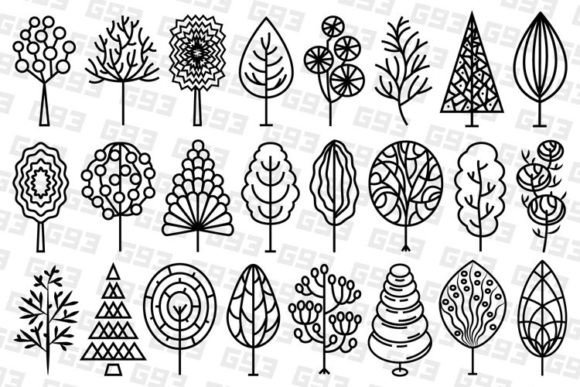
Decorative Line Art Trees Graphics
A Visual Asset for Editorial and Web Design
As a blog designer and digital publisher, I’ve seen countless graphic design assets come and go. But when I first encountered Decorative Line Art Trees, I knew it was something special. This set of line art stylized, decorative trees offers a fresh approach to visual storytelling that fits seamlessly into editorial and web design workflows.
First Impressions: Mood and Niche
The first thing that struck me about Decorative Line Art Trees is its playful yet refined aesthetic. These abstract line drawing, doodle tree decorations are both artistic and versatile, making them suitable for a wide range of content niches. Whether you're targeting lifestyle, educational, or seasonal audiences, these illustrations can help set the right tone without being too literal.
They feel modern and clean, with a subtle whimsy that appeals to creative entrepreneurs, small business owners, and digital marketers looking to add personality to their content. The style is neither too bold nor too minimal, striking a balance that supports both casual and professional use cases.
Where to Use Decorative Line Art Trees in Real Publishing Workflows
- Blog Featured Images: These trees work beautifully as hero images or article headers, adding a visual hook that encourages readers to click through.
- Pinterest Pins: Their decorative nature makes them ideal for social media graphics, especially in content marketing and affiliate marketing strategies.
- Website Banners: As part of your web design, they can serve as website headers or category visuals that reinforce brand identity.
- Editorial Layouts: Use them as editorial accents or background elements to break up text and create visual hierarchy.
- Newsletter Graphics: They’re great for newsletter headers or lead magnets, helping to build a cohesive look across all your digital assets.
- Digital Guides and eBooks: These illustrations can enhance downloadable resources like worksheets, printables, or Canva templates, giving them a polished feel.
- Social Media Posts: Whether used as standalone visuals or paired with text, they support a variety of social media graphics and content marketing efforts.
How Decorative Line Art Trees Improve Content Performance
Using Decorative Line Art Trees can have a tangible impact on how your content is perceived and performed. A strong first impression is key in digital publishing, and these illustrations provide that with their eye-catching design. They help establish visual hierarchy, guiding readers’ attention to the most important parts of your content.
Additionally, they contribute to better click-through potential by making your content more visually appealing. When integrated thoughtfully, they can improve reader trust and reinforce your brand identity. Consistency is crucial in building a recognizable visual system, and these graphics support that goal with their clean and modern style.
Best Use Cases for Decorative Line Art Trees
Decorative Line Art Trees shine in areas where a bit of creativity and visual interest are needed. They work exceptionally well as hero images, article thumbnails, and Pinterest pins. They also make excellent additions to editorial layouts, content upgrades, and downloadable resources like digital guides and printable designs.
These illustrations are particularly effective as category visuals, newsletter headers, and social media previews. They bring a sense of cohesion to your content while maintaining a level of playfulness that keeps your audience engaged.
When to Use Decorative Line Art Trees with Caution
While Decorative Line Art Trees are versatile, there are situations where they might not be the best fit. For example, they may not be ideal for small mobile thumbnails due to their detail-rich nature. Similarly, they could overwhelm text-heavy blog images or low-contrast backgrounds.
In serious professional niches or corporate content, these illustrations might come off as too playful. It’s important to consider the overall tone of your website and ensure that the visual style aligns with your brand identity. If your site requires a very minimal visual system, these graphics might not be the right choice.
Publisher Notes for Using Decorative Line Art Trees
Before using Decorative Line Art Trees in real projects, there are a few practical considerations to keep in mind. Test the asset on both desktop and mobile screens to ensure it looks good across all devices. Check how it appears as a thumbnail, since this is often the first point of contact for readers.
Preview the illustration inside a real blog layout to see how it interacts with other elements. Test it with headline text to ensure readability and contrast. Try it in black and white to confirm that it still holds visual weight without color.
Place the graphic beside different font styles—serif, sans serif, script, and display—to see how it complements your typography choices. Review the file size and compress images properly to maintain web performance. Finally, confirm that you have a commercial license before using it on monetized websites, affiliate pages, or paid content products.
Conclusion: A Versatile Graphic Design Asset
Decorative Line Art Trees offer a unique blend of creativity and functionality that makes them a valuable addition to any digital publisher’s toolkit. Whether you're working on blog graphics, editorial design, or web design, these illustrations can elevate your content and support a stronger visual identity.
With their versatility and clean aesthetic, they are perfect for small business branding, digital downloads, and creative marketplace projects. By integrating Decorative Line Art Trees thoughtfully into your workflow, you can enhance your content marketing strategy, boost engagement, and deliver a more professional-looking experience to your audience.