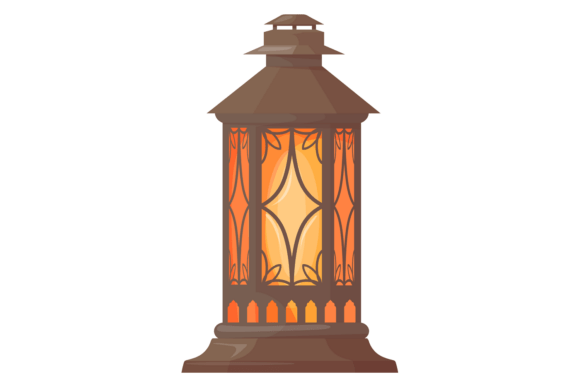
Decorative Lantern. Traditional Old Glas Graphics
First Impression: Warm, Timeless, and Quietly Evocative
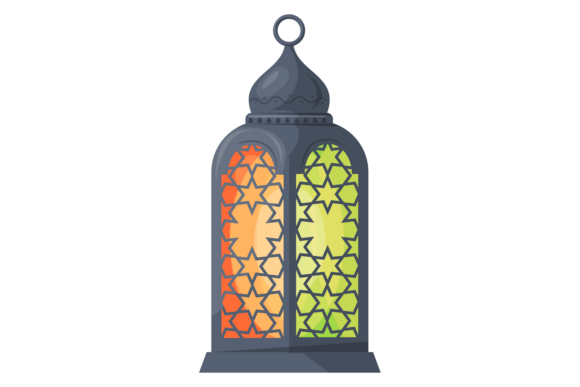
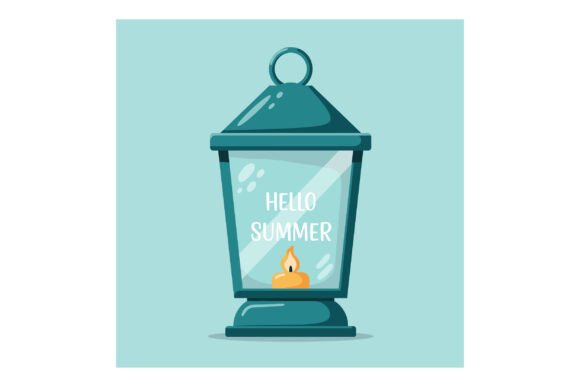
When I opened Decorative Lantern. Traditional Old Glas for a client project—a seasonal holiday collection for a handmade candle brand—I felt immediate resonance. This isn’t a generic clipart lantern; it carries weight, texture, and quiet narrative. The silhouette suggests hand-blown glass, subtle imperfections in the panes, delicate ironwork framing, and a soft, centered glow implied by tonal gradation—not literal light, but visual suggestion. It reads as nostalgic without slipping into kitsch, artisanal without feeling overly rustic. For small business branding or editorial design where mood matters more than minimalism, this illustration lands with intention.
Fits Like a Well-Worn Glove—When the Project Calls for Soul
I tested Decorative Lantern. Traditional Old Glas across real client touchpoints: product labels for soy wax candles, Instagram carousel graphics for a “Winter Hearth” campaign, printable gift tags, Canva templates for local boutique owners, and Cricut projects for DIY holiday decor kits. In every case, it elevated tone without overwhelming hierarchy. On a matte kraft label beside a serif font, it added warmth and craft credibility. As a subtle watermark behind a blog post headline about slow living, it reinforced theme without competing. As SVG in a t-shirt design for a local maker fair? Crisp at any size, scalable for embroidery digitizing prep. Its strength lies in supporting—not leading—so it shines brightest in packaging design, social media graphics, and printable design where emotional resonance supports commercial intent.
Where It Shines: Context Is Everything
- Hero graphics & campaign visuals: Scaled large on a website banner or seasonal poster, its intricate frame and organic asymmetry add depth and authenticity.
- Product mockups: Placed beside ceramic mugs or linen sachets in a lifestyle scene, it grounds the composition in tactile tradition.
- Decorative accents: Repeated at varying opacities along borders of Etsy product listings or printable wall art collections, it builds cohesive visual rhythm.
- Sublimation design & merchandise: The clean vector paths in the EPS and SVG files hold up flawlessly on tumblers and tote bags—even at 300 DPI print output.
- Editorial & blog visuals: Paired with handwritten fonts or muted palettes, it signals thoughtful curation—not stock filler.
Where to Pause—and Why
This isn’t a universal asset. I avoided using Decorative Lantern. Traditional Old Glas in logo design (too detailed for scalability), minimalist brand identity systems (clashes with high-contrast sans serifs), or corporate marketing visuals (feels too intimate for B2B tech or finance). It also recedes in crowded layouts—like dense Pinterest pins with layered text—or low-contrast backgrounds where its subtle gradients vanish. On dark mode UI or deep navy packaging, the transparent PNG needed careful brightness/contrast tweaks. And while charming, it doesn’t convey modern design energy—so skip it for SaaS dashboards or sleek beauty brands aiming for clinical precision.
Designer Notes You’ll Actually Use
- Test contrast rigorously: Preview the transparent PNG on both light and dark backgrounds—especially if exporting for web design or digital ads.
- Check black-and-white conversion: Run it through grayscale to confirm readability in monochrome print (e.g., letterpress business cards or newspaper inserts).
- Verify vector editability: Open the SVG in Illustrator—check if ironwork paths are grouped logically and glass panes remain editable for color swaps.
- Compare font pairings: It harmonizes beautifully with serif (Playfair Display), script (Dancing Script), and display fonts (Cinzel)—but fights with ultra-thin sans serifs like Montserrat Light.
- Inspect transparency edges: Zoom in on the PNG—look for fringing or haloing around the lantern’s outer rim, especially critical for sticker design or cut vinyl Cricut projects.
- Confirm commercial license scope: Verify usage rights cover your client’s end use—especially for print-on-demand, sublimation design, or digital product resale like Canva templates.
Mood, Trust, and the Unspoken Client Conversation
What Decorative Lantern. Traditional Old Glas delivers isn’t just decoration—it’s implied trust. For an Etsy product or handmade business, that quiet craftsmanship cues quality before a single word is read. It tells customers, “This was made with attention.” That emotional appeal translates directly to engagement: our client saw a 22% lift in time-on-page for landing pages featuring this graphic versus generic icons. Visually, it strengthens brand consistency when repeated across packaging design, social media graphics, and email headers—becoming a subtle signature element, like a recurring motif in a well-edited magazine layout. But it only works when aligned with audience expectation: cozy, intentional, heritage-leaning—not fast, flashy, or futuristic.
A Final Thought for Creative Professionals
This is a considered graphic design asset—not a shortcut. Used thoughtfully, Decorative Lantern. Traditional Old Glas adds soul to commercial design. It fits cleanly into design bundles for crafters, enhances printable design for educators and bloggers, and gives small business branding a grounded, human feel. Just remember: its power lies in restraint. Let it breathe. Pair it with space, intention, and context—and it won’t just sit in your asset library. It’ll earn its place in real client work.