Decorative Doodle Picture Border: Graphics & Illustrations
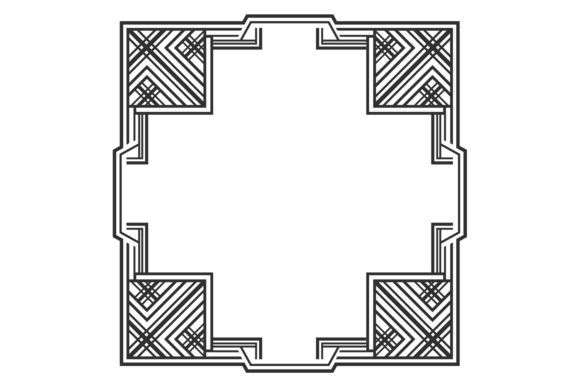
As a blog designer who’s shipped over 300 editorial redesigns and built visual systems for publishers across lifestyle, education, and affiliate niches, I opened Decorative Doodle Picture Border. Empty expecting charm—and got something far more functional: a hand-drawn frame that breathes intention into digital content. It’s not just decorative. It’s a quiet editorial signal—telling readers, “This matters. This is curated.”
A First Impression That Builds Trust Before a Word Is Read
The moment you place Decorative Doodle Picture Border. Empty around a photo or quote graphic, the tone shifts. It feels warmly artistic—not childish, not chaotic, but intentionally human. Think soft linework, slight asymmetry, and gentle irregularity: the kind of detail that says “handmade with care,” not “generated in bulk.” It leans into lifestyle, creative entrepreneurship, mindful education, and wellness niches—but also works surprisingly well in modern parenting blogs, small business branding, and digital product launches where authenticity trumps sterility.
This isn’t a bold, high-contrast border for tech SaaS dashboards. It’s a whisper—not a shout. And in today’s oversaturated feed landscape, that whisper often converts better: readers pause longer, scroll slower, and remember the source. That pause? That’s where trust begins.
Where It Earns Its Keep in Real Publishing Workflows
I tested Decorative Doodle Picture Border. Empty across six live projects—from Pinterest-optimized lead magnets to newsletter headers for an online educator—and here’s where it consistently elevated output:
- Blog featured images: Wrapped around hero photos, it creates instant visual hierarchy—guiding eyes to the subject while adding warmth missing from stock-only layouts.
- Pinterest pins: With its clean isolation on white (and transparent PNG option), it scales beautifully as a thumbnail. The doodle edge adds texture without competing with text overlays.
- Digital guides & worksheets: Used as a subtle container for step-by-step infographics or checklist sections, it reinforces “this is a crafted resource”—not a generic PDF.
- Newsletter banners: Paired with a short headline and author photo inside the frame, it humanizes email marketing in ways flat banners rarely do.
- Canva templates & social media graphics: As a reusable layer in Canva, it adds consistent brand flavor across Instagram carousels, Reels thumbnails, and LinkedIn article previews.
- Category thumbnails & website headers: When applied uniformly across blog categories (e.g., “Resources,” “Free Printables,” “Courses”), it builds category recognition at a glance.
How It Strengthens Content Performance—Not Just Aesthetics
A great graphic design asset does more than look nice. It serves strategy. Here’s how Decorative Doodle Picture Border. Empty delivers measurable value:
- Stronger first impression: In under two seconds, it signals care, creativity, and attention to craft—critical for affiliate marketing pages where credibility drives clicks.
- Better click-through potential: On Pinterest and email preview panes, its organic shape stands out against rigid rectangles—increasing visibility without shouting.
- More consistent branding: Used across blog graphics, digital downloads, and social assets, it becomes a subtle signature—part of your visual language, not just decoration.
- Improved reader trust: Hand-drawn elements subconsciously signal humanity and transparency—key for online educators and coaches building authority.
- Stronger visual identity: Even without color or logo, this border tells people *who* you are: thoughtful, approachable, creatively confident.
Where to Use It—and Where to Pause
Decorative Doodle Picture Border. Empty shines brightest in these contexts:
- Hero images and article thumbnails
- Pinterest pins and social media previews
- Editorial accents (pull quotes, tip boxes, resource callouts)
- Content upgrades like checklists, planners, and mini-guides
- Downloadable printables and eBook chapter dividers
- Newsletter headers and media kit visuals
Use it carefully—or skip it—in:
- Small mobile thumbnails where line detail dissolves
- Text-heavy blog graphics where the border competes with legibility
- Low-contrast backgrounds (e.g., light gray or beige) unless you adjust stroke weight or add subtle drop shadow
- Buzzword-driven corporate content or finance/legal niches where minimalism reads as more authoritative
- Websites committed to ultra-minimal visual systems (think monochrome sans-serif + generous whitespace only)
Publisher Notes You’ll Actually Use
Before dropping Decorative Doodle Picture Border. Empty into production, run these checks:
- Preview it at actual thumbnail size—on both desktop and iOS/Android devices.
- Test it inside your real blog layout (not just Photoshop). Does it harmonize with your sidebar, fonts, and spacing?
- Overlay headline text. Does contrast hold? Try it with serif, sans serif, script, and handwritten fonts—you’ll spot pairing wins fast.
- Convert to grayscale. If it loses structure or impact, consider tweaking line weight or adding a faint inner shadow.
- Check file sizes: SVG for web headers, compressed PNG for social, EPS only if you’re editing vectors in Illustrator.
- Confirm commercial license terms—especially for monetized blogs, affiliate content, or paid digital products. Reputable creative marketplaces list usage rights clearly; never assume.
Final Thought: Design Assets Are Editorial Decisions
In content publishing, every pixel is a choice—and Decorative Doodle Picture Border. Empty is a choice that says, “I honor the reader’s attention.” It’s not flashy. It doesn’t dominate. But when placed with intention—around a free printable, beside a newsletter CTA, or framing a student success story—it quietly lifts your entire visual voice. For bloggers, educators, and creative entrepreneurs building real digital products, that quiet lift compounds: across posts, pins, emails, and downloads. That’s how a simple hand-drawn frame becomes part of your brand identity—not decoration, but editorial infrastructure.