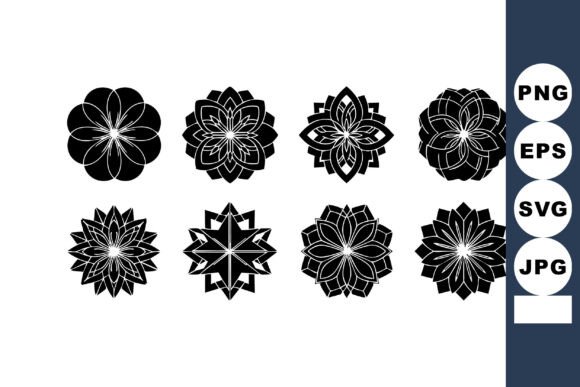
Decorative Branch Drawing: Floral Graphics & Illustrations
First Impression: Light, Lively, and Instantly Recognizable
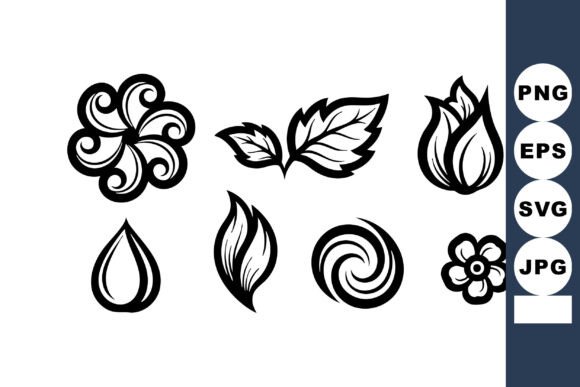
When I opened Decorative Branch Drawing. Floral Elemen, my immediate reaction was relief—this isn’t another over-rendered, trend-chasing botanical clipart piece. It’s a clean, spring-inspired branch drawing with delicate floral elements, isolated on white and delivered in EPS, JPG, SVG, and transparent PNG. The linework is confident but not rigid; the blossoms feel organic, not algorithmically perfect. It lands somewhere between modern design and gentle handmade charm—ideal for brands that want warmth without sacrificing polish.
A Mood That Builds Audience Trust—Not Just Aesthetics
This graphic design asset evokes renewal, soft sophistication, and quiet confidence. It doesn’t shout—it invites. That makes it especially effective for small business branding targeting mindful consumers: online coaches launching spring programs, herbal product labels, boutique publishers designing editorial layouts, or lifestyle bloggers curating Pinterest graphics. It supports emotional connection because it feels intentional—not decorative filler. When paired with thoughtful copy and consistent color use, Decorative Branch Drawing. Floral Elemen helps audiences subconsciously associate your brand with care, clarity, and seasonal relevance.
Where It Shines in Real Marketing Workflows
- Brand identity accents: Use as a subtle watermark behind email headers or as a recurring motif in Canva templates—reinforces recognition without overwhelming.
- Social media graphics: Perfect for Instagram post borders, Pinterest pin corners, or Facebook ad backgrounds where visual hierarchy must guide attention *to* your offer—not compete with it.
- Packaging design & product labels: Adds artisanal credibility to physical goods—especially when scaled down to frame a QR code or sit beside hand-lettered typography.
- Digital product visuals: Elevates lead magnets, printable designs, and content bundles—transforming functional PDFs into cohesive, branded experiences.
- Editorial design & web design: Works beautifully as a decorative brand element in blog headers, newsletter banners, or landing page dividers—enhancing readability while reinforcing tone.
How It Strengthens Core Marketing Goals
Decorative Branch Drawing. Floral Elemen delivers measurable value beyond decoration. It strengthens first impression by instantly signaling aesthetic alignment—no need for lengthy brand explanations. It improves visual hierarchy when used intentionally (e.g., framing key text or guiding the eye toward a CTA). Because it’s versatile across file formats—including scalable SVG and transparent PNG—it ensures consistent branding across devices and platforms. Most importantly, it builds audience trust: its balanced, unhurried composition signals professionalism and intentionality—qualities that convert casual scrollers into loyal customers.
Best Fit: Hero Graphics, Campaign Headers, and Branded Templates
This illustration excels where space and mood matter most. Think: hero sections for spring product launches, campaign headers for limited-time offers, branded Canva templates for client deliverables, social media covers for wellness brands, packaging accents for eco-friendly products, or decorative brand elements inside digital product kits. Its isolation on white means it integrates cleanly—no tedious background removal needed—and the transparent PNG option makes it plug-and-play for email banners and digital ads.
Use With Intention—Not Everywhere
While flexible, Decorative Branch Drawing. Floral Elemen isn’t universal. Avoid it in formal corporate branding where austerity or technical precision is expected. Don’t force it into dense information layouts—its organic shape can disrupt readability. Steer clear on low-contrast backgrounds (e.g., light gray over off-white), and skip it for text-heavy mobile ads where clarity trumps charm. It also risks feeling out of place in overly minimal brands that rely on negative space alone—or when placed too close to primary messaging, where it competes instead of complements.
Practical Brand Designer Notes You’ll Actually Use
- Test it against your full brand color palette—not just your primary hue—to see how it harmonizes with accents and neutrals.
- Check black-and-white usage: Does the line weight hold up in monochrome? Essential for printables and merch.
- Drop it into real campaign mockups—email templates, Instagram carousels, packaging flats—before finalizing.
- Preview on mobile screens: Does the branch scale gracefully at 80px height? Test readability of accompanying text.
- Compare it side-by-side with competitor visuals—does it stand out *and* belong?
- Pair it with serif, sans serif, script, and display fonts to assess typographic balance—some scripts may clash; others elevate.
- Review spacing: Does it breathe next to headlines? Does it anchor or distract in layout?
- Confirm commercial license terms—especially if using in client work, paid digital ads, or physical product labels.
Why This Is More Than Clipart—It’s Strategic Visual Infrastructure
In today’s saturated content landscape, Decorative Branch Drawing. Floral Elemen functions as strategic visual infrastructure—not just a pretty addition. It’s a ready-made piece of creative design that supports consistency, speeds up production, and deepens brand resonance. For content creators building digital product suites, marketers refreshing seasonal campaigns, or small business owners designing their first packaging inserts, this illustration bridges the gap between DIY effort and professional branding. It’s not flashy—but it’s reliable, adaptable, and quietly persuasive. And in marketing, that kind of quiet strength often wins.